

Alongside any construction or woodworking project, one of the utmost important decisions to face is choosing the adhesive. Be it for gluing wood, metal, concrete, or other materials; the strength and durability of an adhesive can really make or mar the final output. With so many options available in the market, how can one say which one offers an adhesive or construction adhesive that truly performs? This article takes the reader through a rigorous testing of construction adhesives and woodworking glues on how strong their initial grab is and the lasting hold they provide. By the time you finish reading, you will be free from any adhesive confusion ever sparked in your mind and can settle for only the best. Let’s make your toolbox simpler and achieve results that professionals would be proud of!
Introduction to Construction Adhesives
Importance of Construction Adhesives in Modern Building Projects
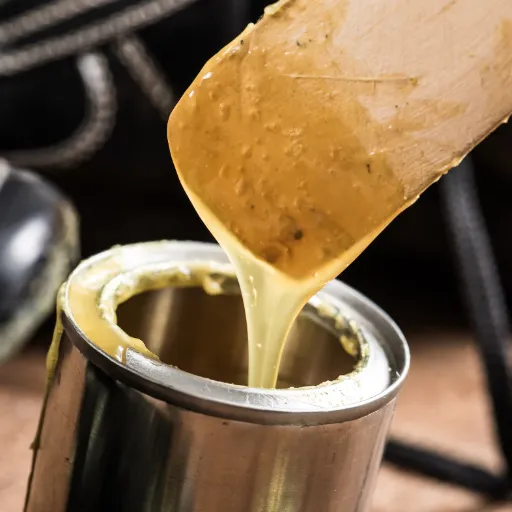
With their versatility and high efficiency, construction adhesives have now become more and more considered as important in building projects. These adhesives endow materials with a strong, lasting bond and can join various materials, including wood, metal, concrete, and plastic. Construction adhesives obtain the minimum hold required on their materials so mechanical fasteners such as screws or nails are rarely used because it saves time and resources. Hence, it has become increasingly opted for on a variety of jobs that professionals and DIYers work on.
While construction adhesives carry several advantages in their actions, one key advantage is that they absorb stresses uniformly and in an evenly distributed manner across the surfaces being bonded. Unlike mechanical fasteners, whose action is the application of pressure at very localized points on the bonded surface, adhesives create a seamless joint where the materials are joined together. Apart from holding together the materials, they seal slight gaps and cracks as well, thereby providing better insulation against moisture, dust, or even air leaks. This makes construction adhesives all the more needed, especially concerning lightweight or delicate materials that could easily be damaged by conventional fasteners.
Lastly, these adhesives are contributing to the faster completion of projects and cutting down on labor costs. They are much easier to apply and need fewer tools when compared with more traditional means of fastening. Many adhesives rapidly set, meaning the assembly can be done faster with less waiting around. On the other hand, they strongly hold materials together for a long time, thereby increasing the durability of a system and reducing maintenance. Thus, the advertising slogan “strong, efficient, and reliable” best describes these adhesives that have reshaped the modus operandi of constructing modern-day projects.
Overview of Different Types of Adhesives
Adhesives are classified based on their chemical composition, method of setting, and compatibility with the application to which they are being applied. Some types of adhesives with their properties are elaborated upon below.
Epoxy Adhesives
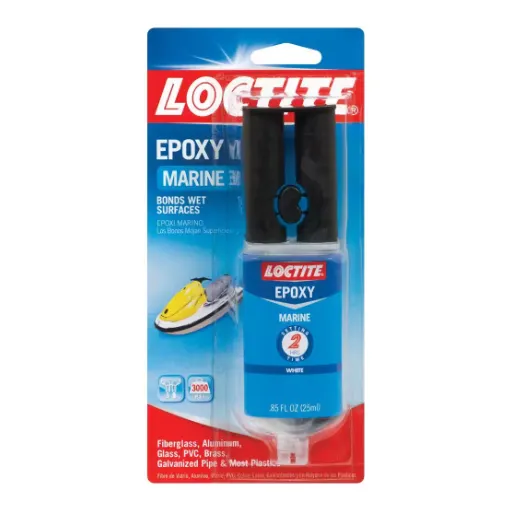
Epoxy adhesives are two-component adhesives consisting of resin and hardener. They have a reputation for being some of the strongest adhesives, possessing heat resistance, and being storied for durability. In general, epoxy adhesives find use throughout the construction, automotive, and manufacturing industries. They can, for instance, bond together metals, plastics, and ceramics. Recent reports put the epoxy adhesives’ share to nearly 35% of the structural adhesive market because of their dependable use in critical applications.
Cyanoacrylates (Superglue)
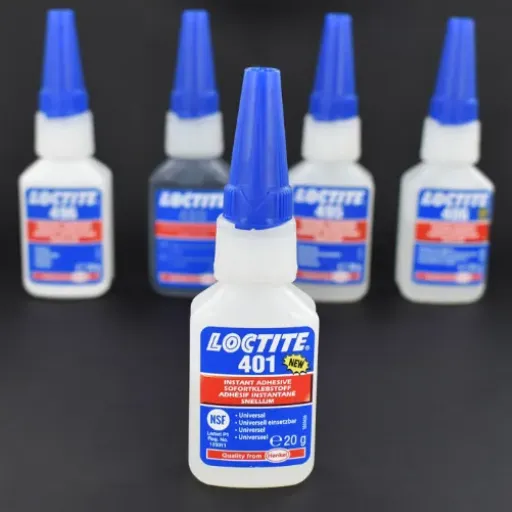
Once they fit in with the so-called super glue, cyanoacrylates-fast-acting adhesives, fit tiny repairs, fast. They stick in no time to any surface, including wood, plastic, metal, or rubber. Equally important is the application of these adhesives in the medical field, such as for wound closure, for biocompatibility reasons. Reportedly, analyses of the industry state that cyanoacrylates will continue to expand at a CAGR of 6% toward 2028, on demand buoyed by the medical field and consumer goods.
Polyurethane Adhesives
Polyurethane adhesives offer the characteristics of being flexible yet strong at bonding. They are moisture and temperature-resistant, so they are ideal for outdoor and woodworking applications. They also find plenty of applications in the automotive sector and in footwear. Recent market studies support the evidence of their increased use, especially in environmentally friendly formulations, since sustainable practices take center stage.
Acrylic Adhesives
Acrylic adhesives provide strong adhesion and can bond dissimilar surfaces such as metal and plastic. It finds usage in signage, electronics, and automotive assembly. Modern acrylic formulations are UV-resistant to promote longevity upon exposure to sunlight. Market research shows acrylic adhesives as among the fastest-growing segments, owing to their adaptation to the newer technologies like E-Vehicles.
Hot Melt Adhesives
Hot melt adhesives are thermoplastics that tend to liquefy when heated and solidify upon cooling. They set very fast, hence are employed widely in packaging, textile, and product assembly allowing one to work faster. Presently, there is a move in hot melt technology towards biodegradable and environmentally friendly materials to address environmental concerns. This market analysis indicates that hot melt adhesives will constitute a major portion of adhesives in e-commerce packaging by 2030.
Silicone Adhesives
The silicone adhesives possess flexibility with temperature resistance and waterproof capabilities. It performs exceptionally well for applications where sealing and bonding are required to withstand extreme conditions in construction and electronics. Recent developments have enhanced the adhesion strength, allowing their use in solar panels and high-end electronics.
How to Choose the Right Adhesive for Your Project
The right selection of adhesive is essential for ensuring the long life, safety, and performance of your project. Begin with a review of your materials to be bonded. Some glues are designed to glue wood or metal, or plastic, or glass. Knowing what you have helps to narrow the options.
The next thing to consider is the environment where the glue is to be used. Factors such as humidity, temperature, and potential exposure to water or chemicals can all affect the adhesive’s efficiency. For example, in many construction applications, the glue has to hold up under conditions of moisture and extreme temperatures for long-term stability.
Lastly, evaluate your application requirements and load expectations to see if your adhesive requires quick drying, filling of gaps, or heavy loading bond strength. Matching the properties of the adhesive with the exact requirements of your project allows for the most favorable result in the most economical way.
Top-Rated Construction Adhesives Reviewed
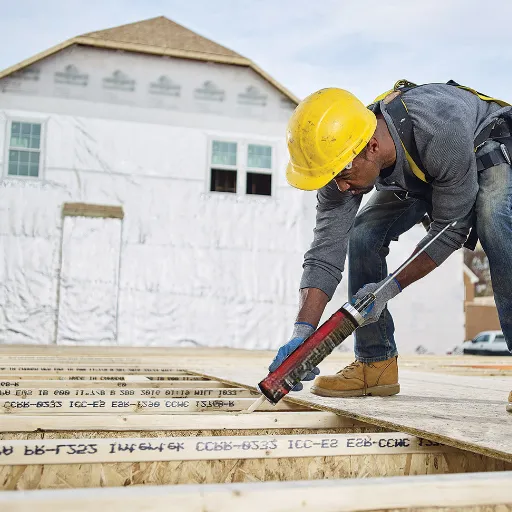
Best Construction Adhesive Options Available
The Versatile Construction Adhesives
Versatility truly does count. Select an adhesive that bonds well to multiple surfaces such as wood, concrete, metal, and plastic. This way, it will be apt for everything from minor repairs to large-scale construction. Try to stick to those combinations that set strong bonds capable of standing up to hard wear either inside or outside, especially where moisture or temperature extremes would occur.
Strength and Long Life Ratings
Applications demanding heavy performance require an adhesive to be selected for tensile strength. Such adhesives, depending on the load applied, resist the load or bear it firmly. Construction adhesives are formulated for durability, resist wear and tear, and ensure a reliable bond under adverse conditions. Checking the resultant adhesive strength‘s rating for its load-bearing will help you in deciding for your particular project.
Ease of Use and Application
The ease of use, on the other hand, might make all the difference in your project. Searching for an adhesive that is easy to apply, like those in easy-to-handle cartridges or tubes, will steer you away from adhesives that pose challenges requiring huge preparation time. For any project under time pressure, choose fast-curing adhesives; slow-curing options allow more flexibility for precise adjustments. In all cases, follow the manufacturer’s instructions for your best outcome and to limit the chance of errors. Choosing the right adhesive is a very important factor in making the construction functional and easy to work with.
Loctite Construction Adhesive: Features and Benefits
Loctite Construction Adhesive offers increased adhesion strength, making it suitable for various construction endeavors. It is versatile and will work on wood, concrete, metals, and drywall. Strong initial tack cuts unnecessary supporting while curing, thereby saving on time and effort in installation.
Another feature is longevity and resistance to environmental elements. Loctite Construction Adhesive is made to stand extreme temperatures combined with humidity and water exposure, holding the bond for a considerable period. So for any indoor or outdoor application, it is the trusty bonding solution for a contractor or a handyman.
Along with this, the Loctite Construction Adhesive is easy to work with, with formulations that can be applied quickly to save time and achieve maximum efficiency. Many variants of this adhesive are formulated with virtually little odor, making them convenient to use in confined spaces. Striking a balance of strength, durability, and convenience, it remains a major player for commercial and home-building tasks.
Wood Glue Options and Comparisons
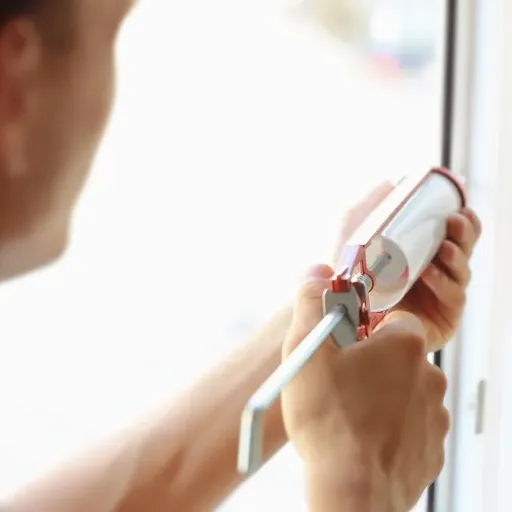
Types of Wood Glue and Their Uses
Wood glue is very essential in the field of woodworking-would you rather say that glue should never be used on a woodworking project? Depending upon the nature of the activity, we use different kinds of wood glue to provide the best level of thickness and durability. Knowledge of these adhesives and their uses is an advantage that surely brings about excellent results with wood.
PVA Glue
The polyvinyl acetate glue is one of the major kinds of wood adhesives. It is perfect for any type of interior woodworking project, such as furniture assembly or repairs. It dries clear with PVA glues and can be cleaned with water. That is why most DIYers or professionals prefer to work with it. It might not be good for outdoor applications unless it is water-resistant.
Epoxy Glue
Epoxy glue has two components resin and the hardener. When combined, they produce a powerful and waterproof adhesive. It is used to bond wood to other materials like metal or plastic and is favored for projects exposed to moisture or temperature changes. It acts by curing into a rigid structure, making it well-suited for structural uses.
Hide Glue
Derived from animal collagen, hide glue has been in use for many centuries and is heralded for its natural composition. It is reversible with heat and moisture, so it is often used for the restoration of antique furniture or other projects that may require some adjusting over time. Though it is not as widely used as its synthetic counterparts, it is appreciated for its traditional values and adaptability.
Best Practices for Using Wood Glue Effectively
It is important to use wood glue properly so that strong and lasting bonds can be formed. It is best to prepare the surfaces to be joined first. Make sure the wood is clean and dry, without any dust or debris. Light sanding of the surfaces is also acceptable, since the created rough surface forms areas to enhance adhesion. Proper preparation makes for a good bond.
Applying an even layer of glue during application and avoiding excess amounts is your best bet. Too thin, too thick, or too coarse layers of glue will result in wasted glue and an ineffective bond. After applying the glue, clamp the pieces together firmly. Clamping will provide the pressure needed for the glue to set properly, while also eliminating any gaps or weak areas in the joint. The glue’s instructions should be consulted for the recommended clamping time to set a perfect bond.
After bonding, allow the glue to cure fully before subjecting the piece to any stress or load. The cure times of glues vary according to their type and the surrounding environment. Hence, patience is necessary. Just remember to wipe off any excess glue with a damp cloth before it dries to leave a clean finish. Implementing this practice will help your wood projects gain maximum strength and lasting durability.
Critical Factors to Consider When Choosing Construction Adhesives
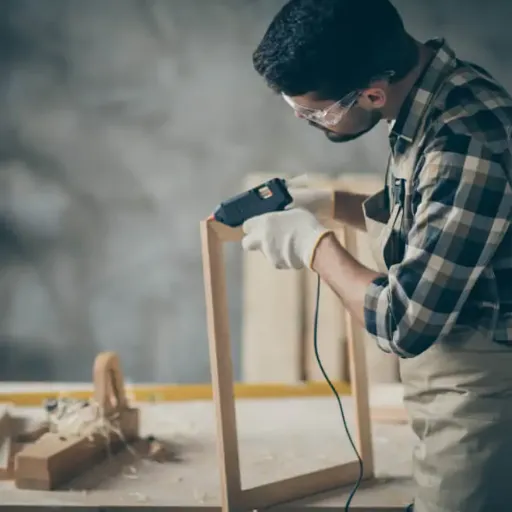
Material Compatibility: What You Need to Know
The material compatibility of a construction adhesive sets up the necessary conditions for a firm and durable bond. Some adhesives are made considering the material they will work with, such as wood, metal, glass, plastic, or concrete. Using an adhesive incompatible with the materials in your project will give weak bonds or will give no bonding at all in the best-case scenario. Always double-check whether the adhesive you pick is explicitly labeled for working with the materials in question.
Environmental conditions also play an equally important role in compatibility. Some adhesives are best suited for indoor application with defined temperature and humidity conditions, and others are more apt outdoors where they are exposed to extreme temperatures, moisture, and UV rays. If you are preparing to bond in an adverse outdoor environment, always go for an adhesive that has been designed specifically for the outdoors.
Moreover, surfaces must be prepared with utmost care to be compatible. Cleaning and sanding can improve adhesion by eliminating dirt, oils, and other contaminants. Respecting material compatibility and surface preparation will provide a strong, and therefore lasting, bond and a successful project. Always pay heed to the manufacturer’s instructions for good results.
Cure Time: How It Affects Your Project Timeline
The term cure time is the period of time an adhesive must obtain full set and maximum strength. This can considerably affect your project deadlines because this time will mark when one can actually continue with the proceedings after the application. Shorter cure time definitely is more time for working on the project, more time on the steps while a longer cure time must be taken as more time with attention in planning.
The cure duration may be dependent on various factors, such as the gluing agent, temperature, humidity, and the materials being bonded. For example, some quick-setting adhesives take only a few minutes to cure; a few others might take so long as up to 24 hours or beyond. You must always consider these factors when picking an adhesive, since they have a direct bearing on your schedule in the project.
The curing time must be strictly adhered to for the best results, as per the stated instructions of the manufacturer. Cutting this time short can hamper the adhesive, resulting in weaker adhesive bonds or outright failure. Therefore, plan the project so that stress can be put on or the next assembly can be done after the adhesive has allowed sufficient time in curing. Some allowance for curing gives more strength and success in the long run.
Environmental Resistance: Ensuring Durability
In short, a construction adhesive is oil-resistant to environmental factors for a sure-cure durability. In that regard, exposure to moisture, extreme temperature, and UV rays must not degrade adhesives’ bonding strength. This treatment can be crucial for some outdoor jobs or zones of changeable environmental conditions.
When deciding on an adhesive, one should consider the environment and its conditions to which it will be subjected: For instance, high-humidity adhesives should be waterproof, whereas adhesives exposed to sunlight should be UV-resistant to avoid degradation with time. Temperature resistance must also be taken into account when considering applications that involve regions with great seasonal changes.
The highest results will be achieved when the manufacturer specifications are consulted to ensure that the adhesives satisfy the durability requirements of your project. Testing how the adhesive works in a small trial application under environmental conditions similar to its actual use will also serve to guarantee the success of the bonding on the whole batch. What will ultimately qualify the construction bond in its service life is being environmentally resistant.
Expert Tips for Proper Adhesive Application
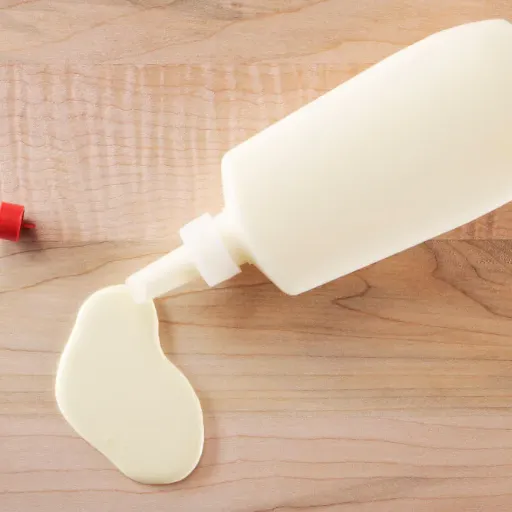
Preparation of Surfaces for Strong Bonds
The genesis of strong adhesive bonds is always surface preparation. Any surface to be glued should be made free of dust, dirt, grease, or any contaminants that will detract from an adhesive’s ability to bond firmly. Employ a cleaning agent or solvent that suits the material joined, and ensure that it is properly dried before proceeding.
After cleaning, inspect the surfaces for irregularities, such as cracks, rough edges, or uneven textures. Sanding or smoothing may be necessary so that the surfaces are level and have even contact areas for maximum adhesion. Sometimes it is good to check that roughing up the surface slightly will provide more grip for the adhesive, as it will increase the available surface area.
Lastly, ensure drying of surfaces before proceeding with gluing. Consider water weakening a bond, especially for an adhesive not marketed as a “wet glue.” Adhering to the above steps helps promote the contract’s performance and ensures a good, long-term bond for your project.
Techniques for Applying Adhesives Effectively
When using an adhesive, always apply an even coat of thin adhesive to the surface. A tool is recommended such as a putty knife to spread the adhesive evenly. Don’t apply too much or too little because the strength of the bond might be compromised.
Align well and join two surfaces. Using some pressure to increase contact would be advantageous. Use clamps or weights to allow the materials to stay in place while drying if posing any difficulties. Doing so will help ensure that the bond dries correctly.
Finally, allow adequate curing time as specified by the adhesive manufacturer. Curing times may vary due to the temperature, humidity, or materials bonded. Be sure not to disturb or apply stress to the bonded materials during the curing period. This will guarantee that the materials will bond strongly and be durable. These techniques will help ensure a reliable application for your building or repair projects.
Common Mistakes When Using Construction Adhesives
Mistake #1: Not Preparing Surfaces
Common mistakes when using construction adhesives include not preparing the surfaces. For instance, with dirty, greasy, or uneven surfaces, the adhesive will not be able to form a strong bond. To avoid this, surfaces have to be clean and dry before applying the adhesive; also, they must be smooth and free of debris.
Mistake #2: Overusing or Underusing Adhesive
Another widespread mistake is overusing or underusing the adhesive. If you put in more adhesive than needed, excess squeeze-out from the adhesive may stain the project and perhaps waste material. Applying less than the required adhesive will not ensure a strong bond. It is best always to follow the directions supplied by the adhesive maker on how much to use for your project.
Mistake #3: Neglecting Curing Time
Curing time neglect is another crucial blunder that must not be committed. A lot of users try to move or stress the materials before the bond has fully set, thereby weakening the bonding strength. Always follow the manufacturer’s recommendations and respect the curing time, allowing the bonded materials to remain undisturbed for long enough so that one may be certain of a durable and dependable outcome.
Frequently Asked Questions (FAQ)
Q: Which construction glue would be the ultimate for indoor and outdoor projects?
A: A construction glue that works for every indoor and outdoor project would basically have to be a heavy-duty glue that sticks like a mother. Loctite Power Grab Heavy Duty and Gorilla Construction Adhesive are highly recommended for its versatility and effectiveness on materials like wood, masonry, and nonporous surfaces.
Q: Can construction glue be used to put down tiles?
A: Yes, construction glue can be used for tiling; however, one must ensure that it is a glue specifically made to be used for tiles. Always follow the manufacturer’s recommendations to get the best results.
Q: How do I get construction adhesive off surfaces?
A: Heat and solvent are used to remove construction adhesives. The heat gun will soften the adhesive, enabling easier scraping. Following that, using a solvent like acetone will ensure breaking down any residues that remain. A very important caution is always to test a small area before applying on the whole surface. This would ascertain that the solvent does not damage the surface under the adhesive.
Q: What is the difference between construction adhesive and sealant?
A: The main function of construction adhesives is bonding–for example, bonding two materials together so that the hold will be heavy-duty. The sealants seal the cracks and fill the gaps so that moisture does not get through. Both of them are used in construction but rainfall serves different purposes. The application depends upon the needs of the specific project.
Q: Can I use it to install on a ceiling?
A: Yes, Loctite Power Grab Heavy Duty is great for ceiling installations since it bonds anything from drywall to wood. This one has a fast-grab formula, so materials actually stay put as you work, therefore making it best suited for ceiling projects.
Q: Can I use a caulking gun for construction adhesives?
A: Caulking guns are permitted to be used with construction adhesive cartridges. This tool ensures the right application, so you apply an even bead of adhesive that accomplishes bonding correctly. Just make sure the adhesive is compatible with the caulking gun you intend to use.
Q: What are the regular uses of construction adhesives?
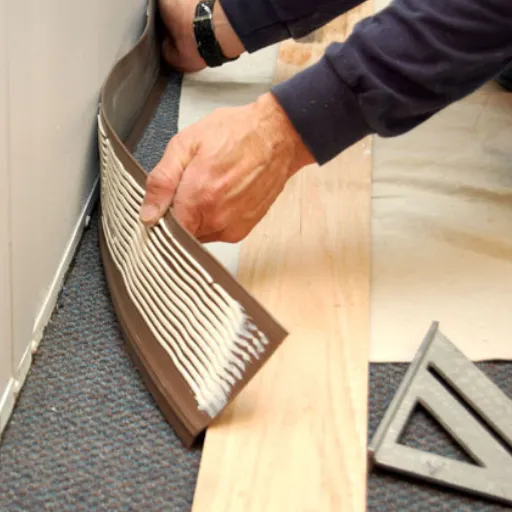
A: Construction adhesive has a truly vast array of applications: it can bond wood, tile, stone, and even foam materials. Construction adhesive is utilized in flooring, walls, and bathroom fixtures due to its strength and durability. Its versatility makes for an all-around solution in many construction projects.
Q: Does construction adhesive affect indoor air quality?
A: Some of the construction adhesives can emit volatile organic compounds (VOCs) that may affect indoor air quality. Look for low-VOC or VOC-free options if you want to avoid these emissions; some brands such as Gorilla and Loctite advertise with a low level of VOCs as well as providing a strong bond.
References
- The Best Construction Adhesives – Tested by Bob Vila – Bob Vila
- We Tested the Strongest Construction Adhesives – Family Handyman
- Choosing The Right Construction Adhesives – Fine Homebuilding
- The Ultimate Guide to the Strongest Construction Adhesive – Bearing Mechanical Parts
- A Breakdown of the Five Best Construction Adhesive Options – Contractors Direct