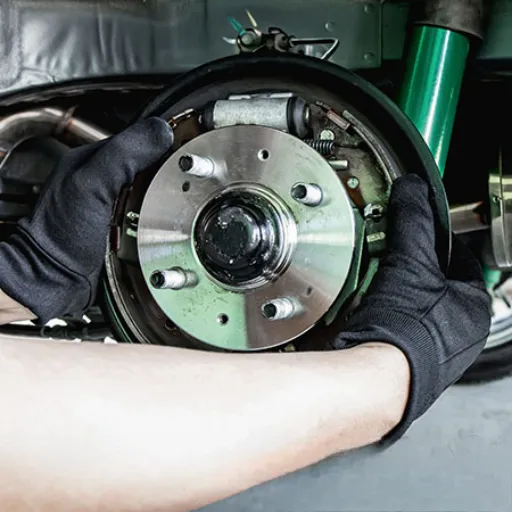
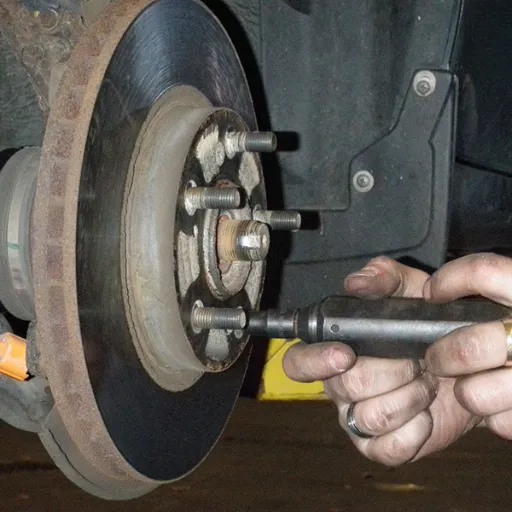


Replacing a front wheel bearing is a key factor for both safety and performance, thus knowing the importance very well is necessary in connection with vehicle maintenance. In case the wheel bearings lose their function or are damaged, the result will be a ride full of noise, loss of handling and in some cases even dangerous conditions if the problem is not tackled. But what does front wheel bearing replacement involve and how does it reflect on your budget? The post you are reading now covers the various factors that affect front wheel bearing replacement costs, enabling you to understand the repair process better. If you have symptoms of a failing wheel bearing or just want to be updated on possible expenses, then this guide is for you as it gives the insights you need to make the right choices regarding your car.
What is a Front Wheel Bearing?
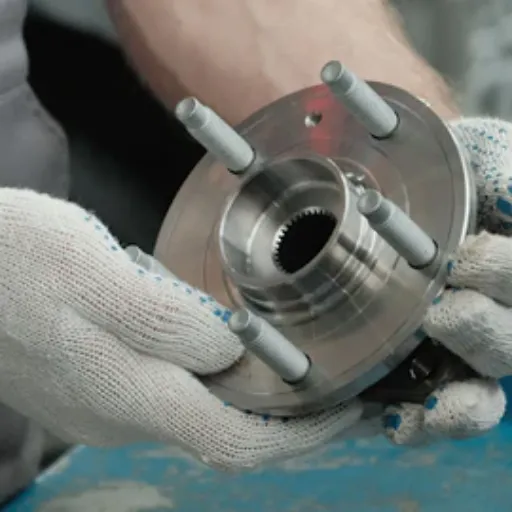
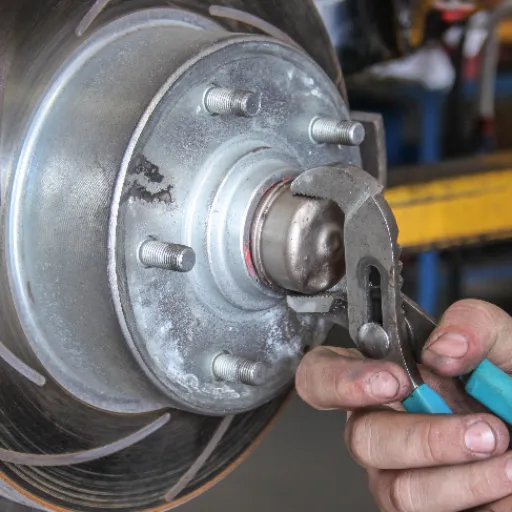
A front wheel bearing is an essential part of the wheel assembly of your car, which not only enables the wheel to rotate smoothly and efficiently but also increases the lifespan of the braking system. It consists of a collection of steel balls or rollers sealed in a metal ring, and it supports the wheel while lowering the friction during movement. Front wheel bearings are made to endure large weights and fast spinning the wheels, assuring that the wheels will be accurately aligned and stable. A functioning wheel bearing is a contributor to safety and reliability in the operation of the vehicle.
Definition and Function of Wheel Bearings
Wheel bearings are the components that smooth the entire process of a vehicle’s wheels rotating by providing the least friction possible and the easiest way possible. They consist of small steel balls or rollers placed in a metal ring (race), which is doing a great job of bearing both radial and axial loads. The primary task of the wheel bearings is friction reduction when the wheels rotate, thus allowing smooth and efficient operation. To a certain extent, modern wheel bearings are also made for durability and can take a lot of weight while keeping the wheel in a proper position and stable.
Recent statistics show that wheel bearings are today, in most vehicles built as sealed units, hence they have a higher resistance to the access of water, dirt, and debris which are the main causes of early wear. At the same time, they are not failure proof, and their failure can be recognized through symptoms like grinding noises, uneven tire wear, or vibrations while driving. It is very important to have a proper inspection and timely replacement of the defective wheel bearings in order to keep the vehicle safe and performing at its best, since they directly influence the operation of steering, braking, and overall reliability.
Types of Front Wheel Bearings
Modern front wheel bearings are categorized into ball bearings, precision ball bearings, tapered roller bearings, and hub assemblies.
| Type | Main Feature | Application | Durability |
|---|---|---|---|
| Ball Bearings | General use | Cars, bikes | Moderate |
| Precision Ball | High precision | Sports cars | High |
| Tapered Roller | Handles heavy loads | Trucks, SUVs | Very high |
| Hub Assembly | Integrated design | Most vehicles | High |
Importance of Wheel Bearings in Vehicle Safety
The wheel bearings have a crucial function in the safety and efficiency of a vehicle. Its smooth rotation with little friction leads to a stable and controllable drive, which is particularly important in high-speed driving or tight turning situations. On the other hand, bad or worn out wheel bearings may cause, excessive wheel wobble, uneven tire wear and, in the worst case, wheel detachment due to unchecked wear, all of which create very serious safety hazards. Performing proper maintenance, scheduling regular checks and making timely replacements of the bearings will keep them functioning well and make the driving conditions safe.
Signs Your Front Wheel Bearings Need Replacement
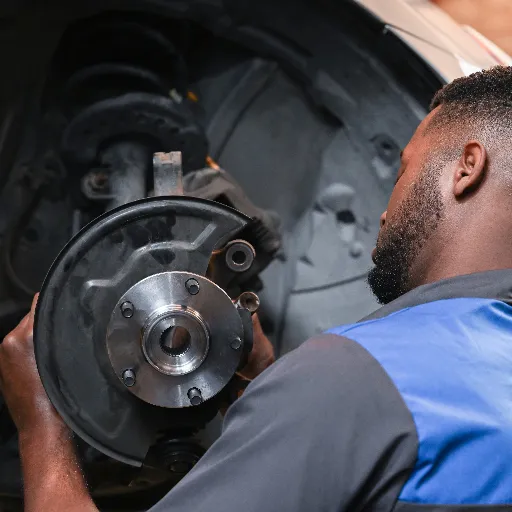
- Unusual Noises: Pay attention to any grinding, humming, or rumbling noises from the wheels, particularly during turning.
- Vibration: Experiencing strong vibrations in the steering wheel or car while driving.
- Uneven Tire Wear: Seeing uneven wear on your tires might be a sign that the wheel bearings are going bad.
- Loose Wheels: Noticing some looseness or movement in the wheels when the car is raised.
- ABS Malfunction: The anti-lock braking system (ABS) light may point to problems with the wheel bearings.
Taking action on these indicators right away will not only save you costly repairs but also keep you safe on the road.
Common Symptoms of Front Worn-Out Wheel Bearings
- Grinding Noise: A very loud grinding or humming sound which is originating at the front wheels and is especially noticed when the vehicle is accelerating or making turns.
- Uneven Steering Response: At higher speeds the steering might seem to be less responsive or shaky.
- Excessive Vibration: The vibration felt at the steering wheel or the floor is increasing as the speed is getting higher.
- Pulling to One Side: The car will go off to one side or pull to the same side it was going to, even on a straight road driving.
- Wheel Wobble: A clear wobble of the front wheels which can be noticed when you are driving or seen in a visual inspection.
How to Diagnose Front Wheel Bearing Issues
Identifying front wheel bearing problems entails a blend of visual inspection, practical testing, and detection of certain noises during driving. The steps below outline the proper way to diagnose the front wheel bearing problems:
- Noise: Drive at a reasonable speed and listen for any kind of noise that is not usual near the front wheels such as humming, grinding, or growling. Often, when turning or when the load on the affected bearing shifts, these sounds will be loudest.
- Shake Test: After the vehicle has been lifted securely, using either a jack or a hoist, hold the front wheel with your hands positioned at 12 o’clock and 6 o’clock. Try pushing and pulling the wheel. A lot of movement or loose feeling might signal that the bearing is worn or has damage.
- Bearing Play Inspection: While the wheel is elevated, turn it manually. Try to detect whether the movement is smooth or the opposite, if there is too much friction, or if there are any vibrations, because these could be the signs of a bearing that is about to fail.
- Examine Tires: Sometimes irregular or inappropriate tire wear patterns are the signs of bad wheel bearings. Check the tire tread very closely for abnormality.
- Mechanic’s Stethoscope: If all other methods fail to bring the issue to light, then using a mechanic’s stethoscope will be beneficial as it will help you detect the noise coming from the bearing assembly.
Always, if there are any potential wheel bearings issues, deal with them right away so as to avoid any further damage and promote vehicle safety. When it comes to diagnosing or repairing the issue, if you are not sure, then the best thing to do is to consult a mechanic that is qualified.
Impact of Delaying Replacement
A significant safety risk and costly damage can be the result of postponing the replacement of the defective wheel bearings. Tire wear, loss of control when steering, and vibration while driving are some of the negative effects of bearing wear. Eventually, the bearing could entirely break down, resulting in the worst case scenario being wheel separation or serious damage to other parts of the car. On top of that, taking a ride with bad bearings means that the car’s suspension and drivetrain are put under more pressure, which will lead to even higher repair costs. Early detection and, thus, prompt treatment of the issue, will translate into a safer driving scenario and also help to avoid a bigger range of repairs.
Cost to Replace a Front Wheel Bearing
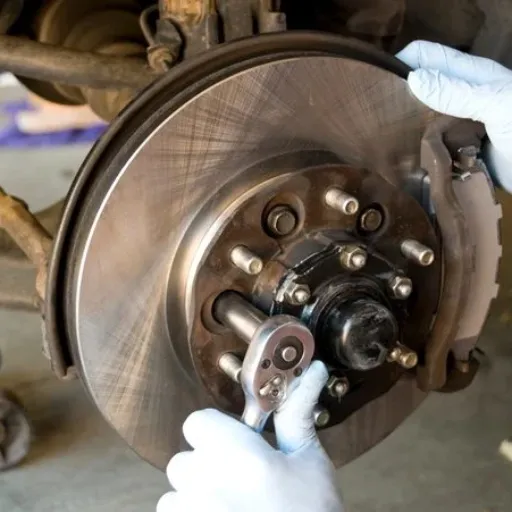
The price for replacing the front wheel bearing is different for each car’s make and model, and also according to the technical help charges in your place. Usually, the replacement will cost you from $150 to $500 which includes both labor and parts. The labor cost is generally between $100 and $300 and the bearing part is about $50 to $200 in most cases. By taking action quickly and fixing it, you will be able to prevent extra costs that come from either the damage becoming bigger or repairs needing to be done more often.
Average Replacement Costs by Vehicle Type
| Vehicle Type | Average Replacement Cost (Parts and Labor) |
|---|---|
| Compact Cars | $150 – $300 |
| Sedans | $200 – $400 |
| SUVs | $250 – $450 |
| Pickup Trucks | $250 – $500 |
| Luxury Vehicles | $400 – $800 |
The wheel bearing replacement cost is not fixed and depends on the vehicle type. Luxury cars usually have expensive bills because of the specific parts and skilled labor needed. Compacts and sedans are generally in the low-cost range. It is always better to check with your mechanic for the exact price depending on your particular vehicle.
Factors Influencing Cost to Replace Front Wheel Bearings
- Vehicle Make and Model – The specific make and model of the vehicle has a bearing on the cost, as different vehicles require a different set of parts and labor levels.
- Type of Wheel Bearing – Some vehicles are equipped with sealed wheel bearings which often come at a higher cost for replacement than standard wheel bearings.
- Labor Costs – The rates that mechanics charge by the hour can widely differ from one place to another, one shop to another, and depending on how complicated the job is.
- Replacement Parts Quality – Choosing original equipment manufacturer (OEM) parts or premium aftermarket parts will definitely increase the cost compared to choosing parts from budget-friendly sources.
- Damage or Additional Repairs – The failure of the wheel bearing may cause the destruction of some other parts, such as the hub or axle, and the cost of these repairs will be added to the overall bill.
Regional Variations in Pricing
The price of replacing a wheel bearing can vary a lot depending on the location. For example, in cities, labor costs are generally higher than in the countryside because of the higher demand and costs of living. The operating cost may also be higher in some states having stricter environmental regulations or high taxes. California and New York are the common states that the average repair costs are quite high while the Midwest areas are more often associated with economical prices. It’s really important to get estimates from different mechanics in your vicinity to get the best price.
Replacement Process for Front Wheel Wheel Bearings
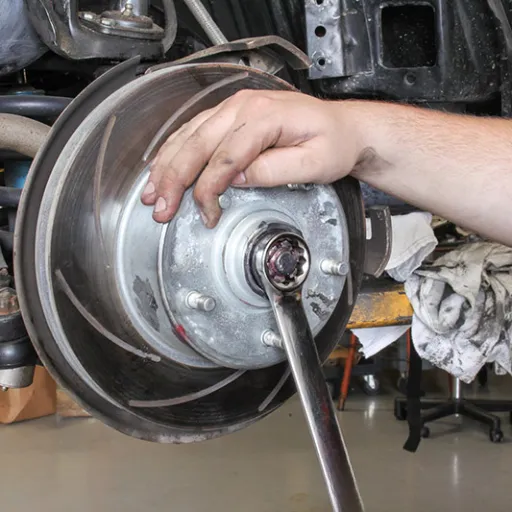
The front wheel bearing replacement process is made up of a few steps. First, you need to lift and secure the vehicle with jack stands, and then take off the wheel. Afterward, you will need to unbolt the brake caliper and rotor to get to the hub assembly. Depending on the car model, the hub might need to be taken off for the wheel bearing to be reached. Applying a bearing puller or press remove the old bearing, then again place the new bearing with care, and make sure it is seated well. Put the hub, brakes, and wheel back in the reverse order and set the torque of all parts to the manufacturer’s specifications. It is always a good idea to refer to your car’s service manual for specific instructions and safety precautions.
Step-by-Step Guide to Replacing Front Wheel Wheel Bearings
- Prepare Your Tools and Workspace
Gather all the necessary tools (jack, jack stands, lug wrench, socket set, torque wrench, bearing puller or press), and safety gloves. Make sure the workspace is flat and has ample lighting for the sake of safety and visibility. - Secure the Vehicle
The vehicle should be parked on a flat surface. Besides, the parking brake should be engaged, and wheel chocks should be placed behind the rear wheels to stop the vehicle from rolling. - Loosen the Lug Nuts
The intended bearing replacement should be lifted slightly before loosening the lug nuts of that wheel. - Lift the Vehicle
Raise the vehicle with a jack and put it on jack stands. After that, check the stability of the vehicle before you start working under it. - Remove the Wheel
Take off the loosened lug nuts completely and remove the wheel in order to see the brake assembly. - Detach the Brake Caliper and Rotor
Using a wrench, take off the brake caliper by loosening its mounting bolts and put it aside, ensuring it gets support to avoid the brake hose from getting damaged. Then, take off the brake rotor. - Remove the Hub Assembly (if applicable)
In a certain sense, it will be necessary for you to detach the hub assembly in order to gain access to the wheel bearing, depending on the type of vehicle. Usually, this step involves removing more bolts or snap rings. - Extract the Old Bearing
A bearing puller or press can be used to take out the old bearing from the hub assembly. Extreme care should be exercised to avoid inflicting any damage on the neighboring components. - Clean the Hub Assembly
The hub assembly should be completely cleaned and any dirt, rust, or debris removed to create a space where the new bearing can fit properly. - Install the New Bearing
The new bearing should be pressed or installed cautiously into the hub assembly while making sure it is seated well. Adhere to the manufacturer’s instructions for proper installation. - Reassemble the Hub Assembly
The hub assembly needs to be attached back to the vehicle while at the same time ensuring that all of the bolts and components are tightly secured. - Reinstall the Brake Components
The brake rotor should be placed back onto the hub and the brake caliper reattached, making sure that the torque specifications for the hardware are all met. - Reattach the Wheel
The wheel should be remounted to the hub and the lug nuts hand-tightened. - Lower the Vehicle
The jack stands should be removed safely, and the vehicle should be lowered back onto the ground. - Tighten the Lug Nuts
The lug nuts must be tightened completely in a star pattern to meet the manufacturer’s torque specifications. - Test the Repair
It is wise to test the vehicle in a safe area at low speed before driving so as to ensure all are okay and no strange noises are heard.
Tools Required for Front Wheel Wheel Bearing Replacement
- Jack and Jack Stands
In order to raise the vehicle completely off the ground and secure it easily. - Lug Wrench
Used for loosening and tightening the lug nuts. - Socket Set and Ratchet Wrench
To take off the bolts and fasteners that keep the wheel hub and other parts in place. - Torque Wrench
For the purpose of lug nuts and bolts being tightened correct to the manufacturer’s specification. - Hammer or Mallet
For the purpose of loosening stuck components. - Bearing Puller or Hub Puller
Used for the safe removal of the old wheel bearing or hub. - Snap Ring Pliers
When necessary, to remove and install snap rings. - Grease or Lubricant
To aid in the installation and avoid parts becoming locked. - Breaker Bar
To provide extra leverage on the tight bolts. - Safety Gloves and Goggles
For the purpose of ensuring personal safety during the repair process.
DIY vs Professional Replacement: Pros and Cons
Deciding whether or not to replace your own wheel bearing as a DIY job or hiring a mechanic is fraught with each one’s downside and upside.
DIY Replacement
Pros
- Cost Savings: Doing the repair personally removes the labor charge, thus making it the cheapest option most of the time.
- Learning Opportunity: A DIY repair is a great chance to gain practical knowledge and feel good about yourself.
- Flexibility: You can do your repairs in the time that suits you best without having to wait for an appointment at a service center.
Cons
- Skill Level Required: Beginners doing complex repairs without prior knowledge can easily make mistakes that might result in even more damage.
- Time-Consuming: The untrained amateur, lacking professional tools and know-how, may take much longer to carry out the repair than an expert would do.
- Risk of Errors: Unsafe condition and more repairs might be the consequences of improper installation.
Professional Replacement
Pros
- Expertise and Tools: The pros hold the required know-how and also possess the specialized tools to do the work in a time-efficient and accurate manner.
- Quality Assurance: One of the advantages offered by most repair shops is the warranty they provide on their work thus giving the customer assurance.
- Time Efficiency: An expert can do the repair work within a shorter time frame thus reducing the time that the vehicle is off the road.
Cons
- Higher Cost: Professional repairs are charged more than DIY due to labor costs plus the parts markup.
- Dependency on Schedules: You might have to wait for a slot, and the time taken for repairs will depend on the shop’s availability.
Eventually, the decision between DIY and professional replacement relies on your mechanical skills, budget plans, and time availability. Professional repairs while bringing in total quality assurance and convenience, do it yourself can be a rewarding experience and save you money if you trust in your skills.
Preventative Maintenance for Front Wheel Bearings
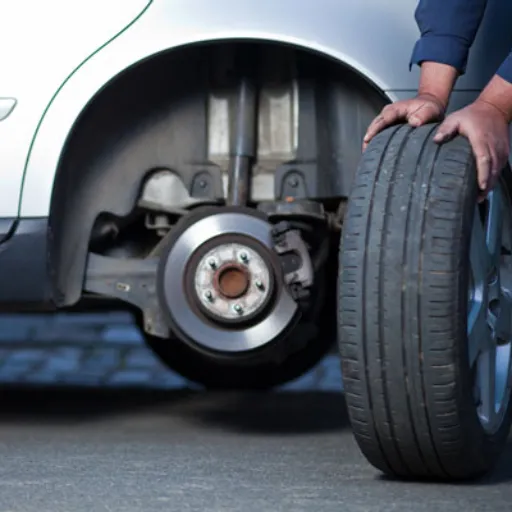
The regular periodic maintenance is no less than critical when it comes to prolonging the life of front wheel bearings and providing the vehicle with safe operation. First of all, noise, vibrations, or movements in the wheels that are different from the normal ones should be checked, as these can be a sign of bearing wear. Wheel bearings should always be clean and made to the proper standard of lubrication, using the best quality grease that is specifically made for the application. Seals should also be checked for any signs of wear or leakage to avoid the entry of dirt and moisture into the bearing area. Following the maintenance schedule of your vehicle and treating any problems early can save you from expensive repairs in the future.
Importance of Regular Maintenance for Front Wheel Bearings
Front wheel bearings require regular maintenance in order to keep your vehicle safe, perform well and last long. Properly maintained bearings not only prevent failures that come by surprise but also better the handling and lower the fuel consumption which is a result of less friction. Loosely taking care of the maintenance might cause a huge problem such as the tire getting worn out unevenly, noise, or in the worst case the wheel getting detached. If you keep on inspecting, cleaning, and lubricating the bearings at the intervals that are recommended for you, you will in turn prevent expensive repairs and also maintain driving conditions that are at their best.
Routine Checks and Maintenance Tips
- Inspect Bearings for Wear and Damage
The bearings should be looked upon regularly for any signs of wear, corrosion, or damage. Discoloration, cracks, and pitting should be very careful watched as those could be indications of the need for replacement. - Clean Bearings Thoroughly
The performance of the machine could be adversely affected by the presence of dust, dirt, or debris. So, it would be best to use a suitable cleaner that will make the bearings completely free of those contaminants that cause friction. - Lubricate Bearings Properly
The manufacturers usually suggest the correct type and amount of grease or lubricant to be applied. The appropriate lubrication lowers friction and thus prolongs the life span of the bearings. - Check for Unusual Noises
Unusual noises might be present such as grinding or squealing and they should be traced back to the bearings and dealt with accordingly. An unusual sound must always be dealt with promptly in order to prevent further damage taking place. - Ensure Proper Installation and Torque
The bearings must be confirmed to be fitted properly and tightened according to the correct torque specifications. Either over-tightening or under-tightening can lead to premature wear or total failure.
Extending the Life of Your Front Wheel Bearings
Prioritizing maintenance, I take care of the front wheel bearings to last longer. Regular maintenance includes checking them for wear, lubrication of the bearings, and talking to the mechanic for unique noise handling. I also see to it that the bearings are installed correctly and that the right torque is applied to avoid undue tension and early breakup.
Reference Sources
- Efficiency of modernization of wheel-motor blocks using anti-friction traction motor support bearings – Discusses the practical value and cost implications of modernizing wheel-motor units, including bearings.
- Front-Wheel Drives, Are They Coming or Going? – Explores the cost and mechanical implications of front-wheel drives, including the impact on front-wheel bearings.
- Defining a bearing replacement strategy using Monte Carlo methods – Proposes strategies for bearing replacement, focusing on cost-effectiveness and maintenance policies.
Frequently Asked Questions (FAQs)
What is the average cost for replacing a wheel bearing?
The average cost for replacing a wheel bearing can be quite different depending on the vehicle’s brand and model, and also depending on the region’s labor costs. Generally, the total cost including parts and labor will be from $200 to $600. Some vehicles, for example, the Toyota Highlander, may have a higher price due to the complexity of the repair.
What are the indicators that my wheel bearings are due for a change?
The signs of worn-out wheel bearings are most often the unusual noise, such as grinding or rubbing, looseness in the wheel, and vibrations while driving. If you experience any of these signaling, it is very important to have the bearings checked, so the repair doesn’t turn into a bigger problem and incur more costs.
Is it possible to change a wheel bearing on my own?
You can do a wheel bearing replacement on your own if you have the necessary tools and sufficient mechanical knowledge. However, it can be a very tiring process, since the wheel, brake components, and possibly the axle have to be removed. If you have any doubts, it might be better to have a professional mechanic do it.
Which elements have an impact on the price of a wheel bearing replacement?
Replacement of a wheel bearing price is influenced by various factors, including bearing type, vehicle make and model, and area labor rates, and whether OEM or aftermarket parts will be installed. Also, if other components, such as seals or joints, need to be replaced because of contamination or damage, this will add to the overall cost.
Is it mandatory to replace the wheel bearings in pairs?
Inevitably replacing the wheel bearings isn’t always the case but usually, it’s recommended, especially for the front wheels. This approach aids in keeping the handling and performance even as the bearings are likely to wear out around the same time, especially, if they have been subjected to the same conditions like mud or potholes.
How many miles do wheel bearings usually last?
Depending on the vehicle and the way it’s driven, wheel bearings could last between 70,000 and 100,000 miles. Major factors that could shorten their lifespan are frequent tire rotations, oil changes, and the use of degrading road salt or debris. Regular maintenance can be a great ally in guaranteeing their longevity.